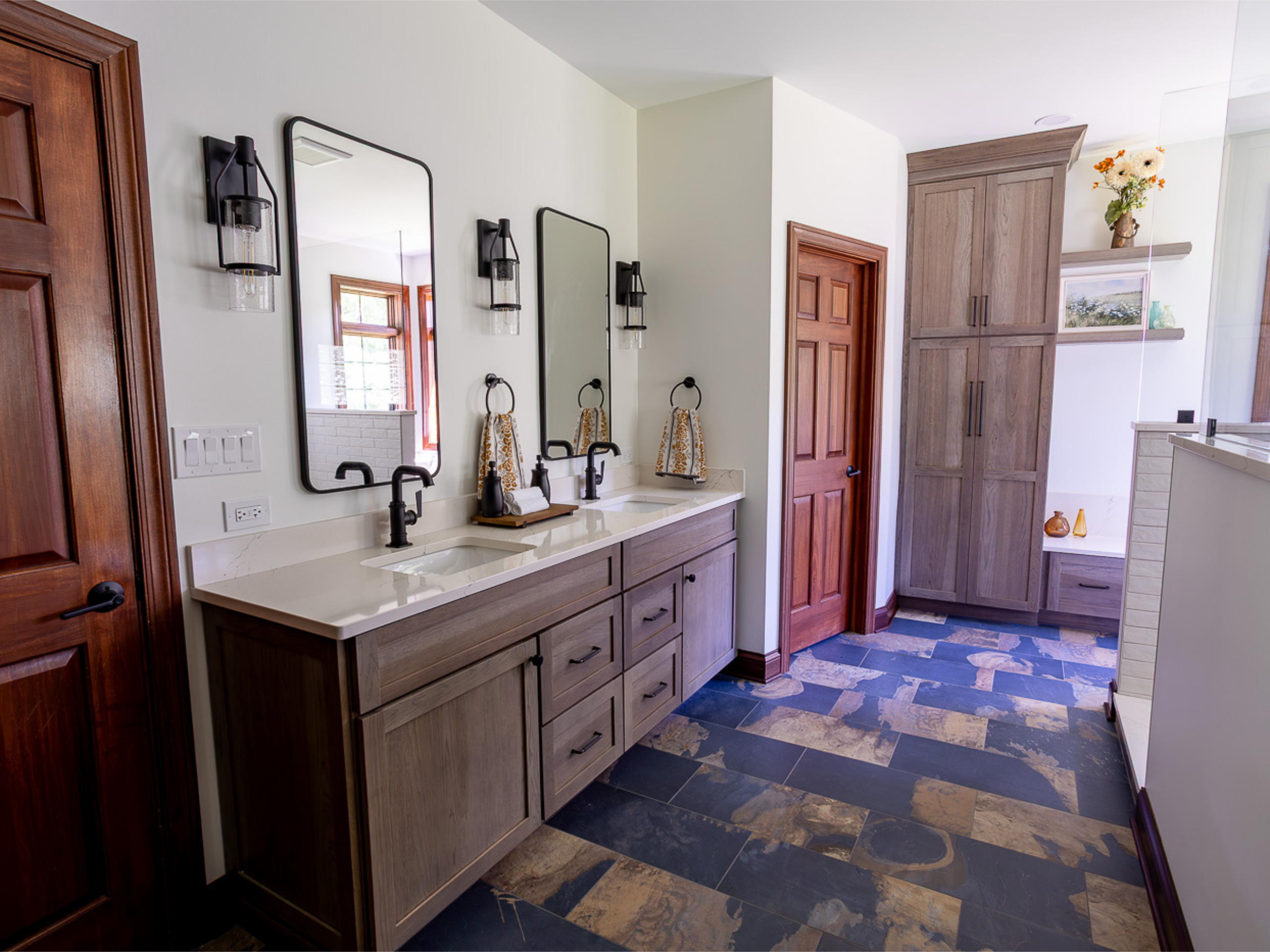
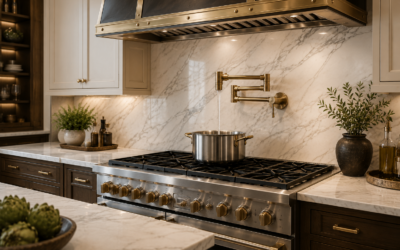
Choosing the perfect countertop is like picking the lead in your kitchen’s Broadway show—each contender brings drama, flair, and undeniable charm. But the battle of Granite vs. Quartz vs. Quartzite is one of the most talked-about in the design world. Why? Because these three natural (or almost-natural) powerhouses each bring their own unique strengths to the stage—and homeowners are constantly torn between them.
Whether you’re remodeling your dream kitchen, upgrading a tired bathroom, or obsessing over HGTV like the rest of us, this guide is your no-fluff, fun-to-read breakdown of what makes granite, quartz, and quartzite different, fabulous, and sometimes frustrating.
Table of Contents
Meet the Countertop Contenders
Let’s get to know the stars of the show:
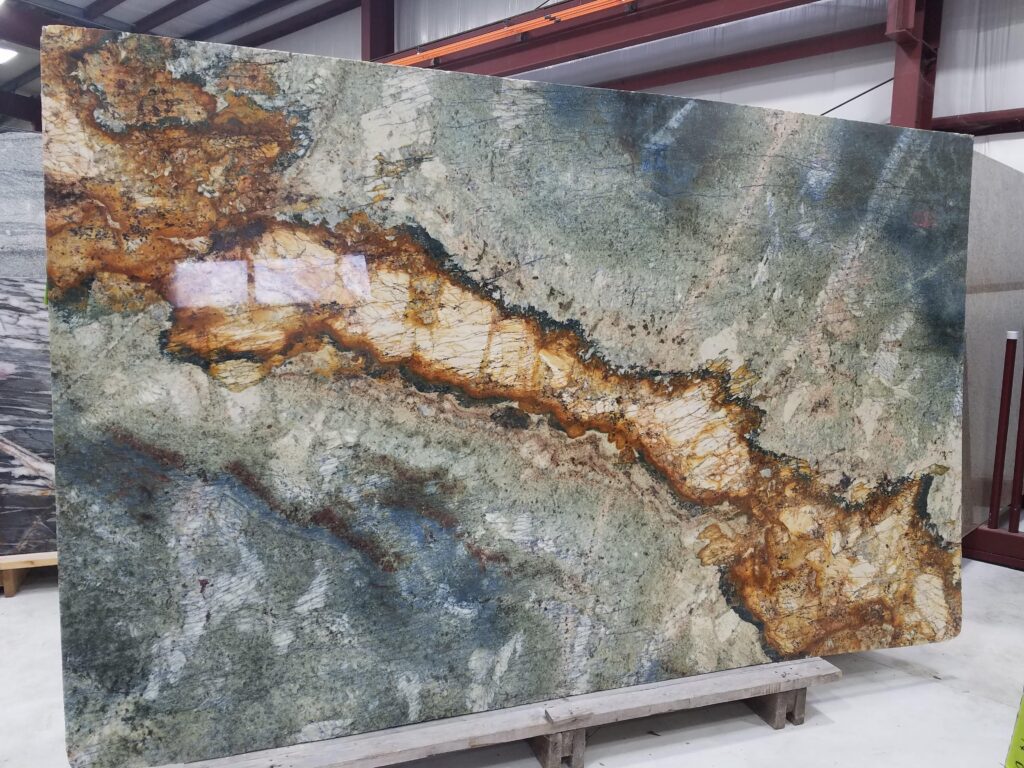
Granite: The Rugged Natural Beauty
Granite is a 100% natural stone that’s mined from the earth, sliced into slabs, and polished to perfection. It’s a longtime favorite among homeowners for its wide range of colors, unique veining, and “one-of-a-kind” appeal.
- Material Type: Natural stone
- Formation: Igneous rock formed from cooled magma
- Look: Speckled, veined, or flecked with minerals like quartz, mica, and feldspar
- Bonus: No two slabs are exactly alike—ever
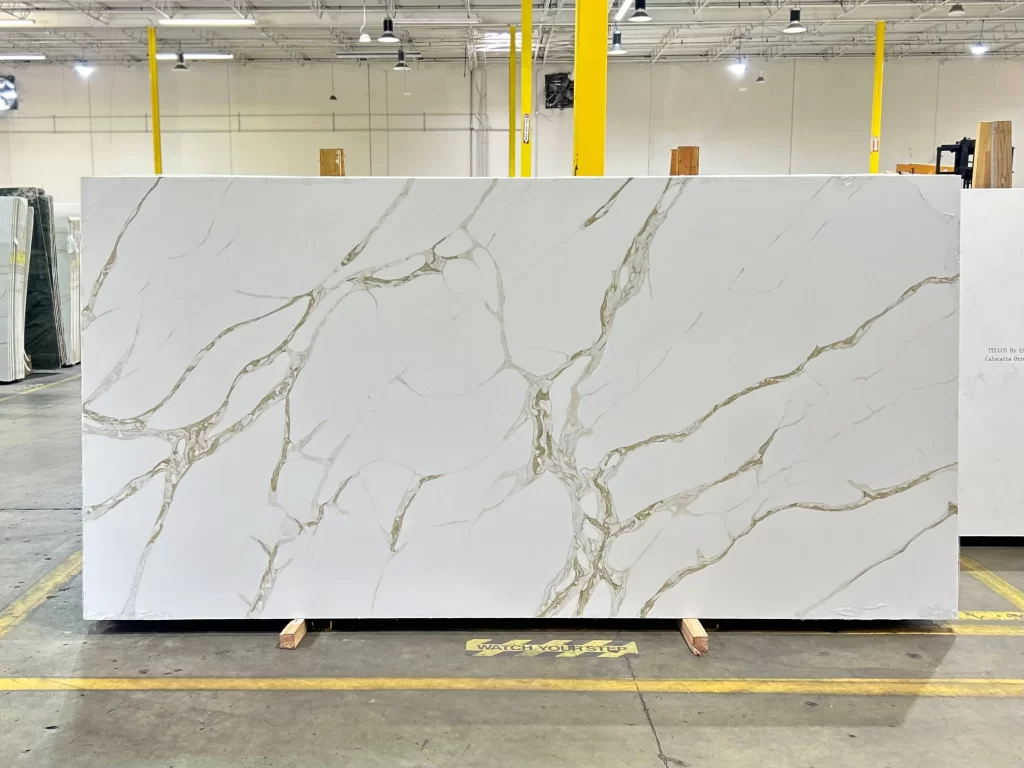
Quartz: The Engineered Chic
Quartz countertops aren’t mined from the earth as a slab. They’re made in factories from 90–95% crushed natural quartz stone and mixed with resins, pigments, and polymers.
- Material Type: Engineered stone
- Formation: Man-made using natural quartz and resin
- Look: Sleek, consistent, often mimicking marble or granite
- Bonus: Endless design options and virtually maintenance-free
Quartzite: The Mysterious Natural Marvel
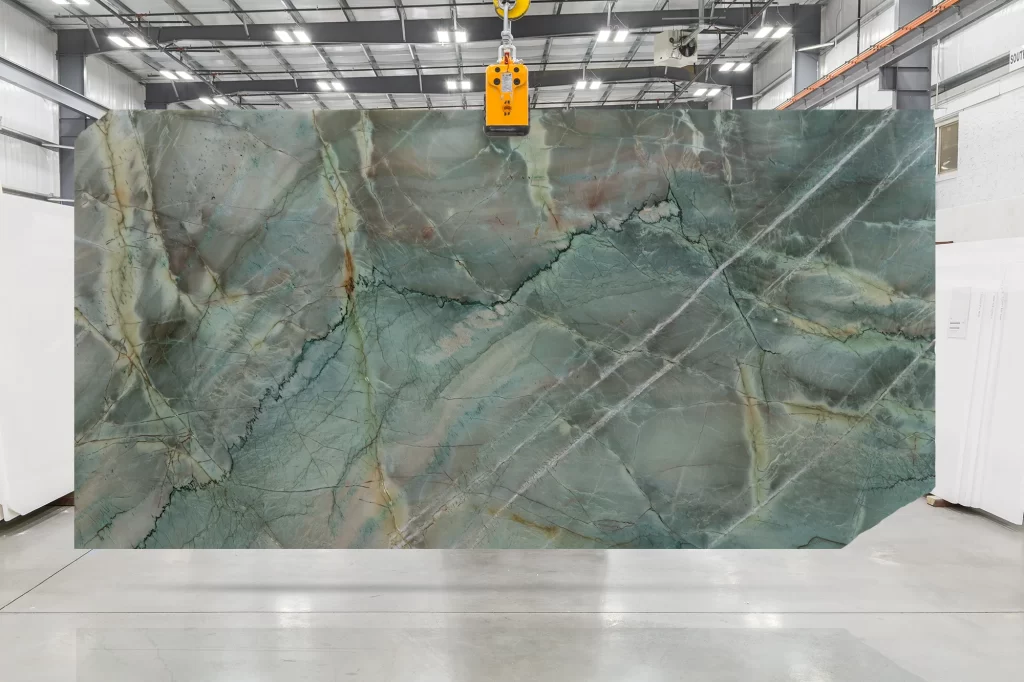
Quartzite is the under-the-radar cousin of marble and granite. It’s a metamorphic rock formed from sandstone under intense heat and pressure, turning it into a harder, more durable stone.
- Material Type: Natural stone
- Formation: Metamorphic transformation of sandstone
- Look: Elegant, often resembles marble with soft veining
- Bonus: The marble look—but tougher!
Let’s Compare: The Ultimate Showdown
Now that you’ve been introduced, it’s time to put them head-to-head in the ultimate countertop comparison.
Aesthetics & Style
Granite:
If you’re looking for natural drama, granite delivers. Its speckled patterns and color shifts come from how it was formed—deep within the Earth. Some granite slabs can be subtle and refined, while others scream personality.
Quartz:
Quartz is the control freak’s dream. Because it’s manufactured, it offers a clean, uniform look with endless colors and patterns—some even perfectly mimic marble or concrete.
Quartzite:
Quartzite is elegance with a capital “E.” Its veining is soft and ethereal, often confused for marble—but it’s far more durable. Perfect for those who want the luxe look without the diva-level maintenance.
🛠️ Winner: Tie—depends on your style! Go granite for natural boldness, quartz for clean consistency, and quartzite for that swoon-worthy marble aesthetic.
Durability & Strength
Granite:
Tough as stone (because it literally is), granite is heat-resistant, scratch-resistant, and pretty forgiving. But it does require sealing to prevent stains.
Quartz:
Quartz is non-porous, meaning it resists stains and doesn’t need to be sealed—ever. It’s extremely strong, but the resin can be sensitive to excessive heat. No hot pans, please!
Quartzite:
This is the surprise tough guy. Harder than granite and just as heat-resistant. It’s durable, but it’s still a natural stone—so it’ll need sealing too.
💪 Winner: Quartzite edges out with the best of both worlds—harder than granite, less fussy than quartz (except for sealing).
Maintenance & Care
Granite:
Needs sealing once a year or so, depending on usage. Clean with mild soap and water—avoid anything too acidic or abrasive.
Quartz:
Low maintenance superstar! No sealing required, and it cleans up easily with just water and a soft cloth. Harsh chemicals? Still a no-no.
Quartzite:
Looks like marble, but acts tougher—just remember to reseal it every year or two to prevent stains from wine, oil, or tomato sauce.
🧼 Winner: Quartz takes the crown for its virtually maintenance-free lifestyle.
Heat & Scratch Resistance
Granite:
Set down that sizzling skillet—granite can take it. It’s also fairly resistant to scratches from knives and heavy use.
Quartz:
Not quite as heat-friendly. That resin content can discolor or scorch if you place a hot pan directly on the surface. Also resistant to scratches but not invincible.
Quartzite:
Super heat-resistant and tough as nails. Scratch resistance is great—though no stone is immune to deliberate abuse.
🔥 Winner: Quartzite again—durability with heat resistance? Yes, please.
Price Point
Let’s talk money—because budget matters.
Granite:
Costs vary widely depending on color, rarity, and source. On average:
👉 $$
Quartz:
Mid to high-end pricing due to manufacturing and brand options (hello, Cambria ).
👉 $$
Quartzite:
Beautiful, but not always budget-friendly. Some exotic slabs can get pricey.
👉 $$$$$
💰 Winner: Granite / Quartz if you’re budget-conscious, and quartzite is the luxury option.
Design Flexibility
Granite:
What you see is what you get—limited to what nature provides. Still, there are hundreds of colors and patterns.
Quartz:
This is where quartz shines. Manufacturers can create just about anything. Waterfall islands, bookmatched veining, integrated sinks—you name it.
Quartzite:
Limited by what nature gives, but oh, what nature gives is stunning. More limited sizes and edge options though.
🎨 Winner: Quartz for ultimate creative freedom.
Environmental Impact
Granite:
Mined and shipped, granite has a natural origin but a notable carbon footprint due to transportation and quarrying.
Quartz:
Engineered using leftover stone, but includes resins and polymers, which aren’t always eco-friendly.
Quartzite:
Also natural and quarried, but some consider it slightly more sustainable than granite depending on sourcing.
🌎 Winner: It’s a bit of a toss-up. Locally-sourced granite or quartzite can be eco-conscious, but engineered quartz gets points for reducing waste.
The Real-Life Scenario Breakdown
Still unsure? Let’s break it down by lifestyle.
🧑🍳 For the Gourmet Chef
Go with Quartzite or Granite. You need something that won’t panic under heat or get scratched by a rogue knife.
👶 For the Busy Family Kitchen
Quartz is your friend. It’s easy to clean, doesn’t need sealing, and resists the chaos of kids, spills, and rushed mornings.
🖼️ For the Design-Lover
Quartzite steals the spotlight with natural marble looks and dreamy veining.
💸 For the Budget-Conscious Remodeler
Granite / Quartz will be at a more affordable price point if exploring low to mid tier levels.
FAQs: Fast Facts Before You Shop
Q: Is quartzite the same as quartz?
Not at all! Quartzite is natural, quartz is engineered. Don’t be fooled by the similar name.
Q: Can I put a hot pot on quartz?
Technically yes, but it’s risky. Use a trivet to avoid resin damage.
Q: Does quartzite stain?
Not easily—but without sealing, it can. Be proactive!
Q: Is granite outdated?
Absolutely not. New colorways and leathered finishes have made granite trendy again.
Final Verdict: What’s Best for You?
| Category | Granite | Quartz | Quartzite |
|---|---|---|---|
| Look | Natural variation | Consistent, clean | Elegant veining |
| Maintenance | Moderate (seal) | Low | Moderate (seal) |
| Durability | Very durable | Durable | Extremely durable |
| Heat Resistance | Excellent | Moderate | Excellent |
| Price | $–$$ | $-$$ | $$$$ |
| Design Options | Limited to nature | Endless | Natural uniqueness |