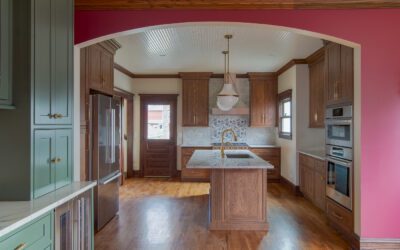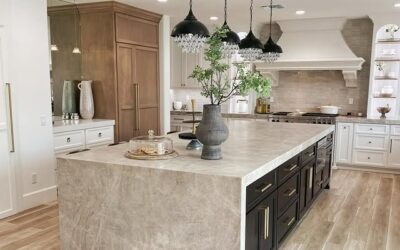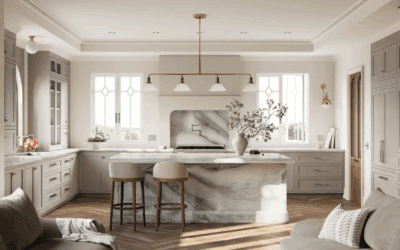
Planning a kitchen renovation? One of the best ways to bring your design vision to life is by creating a kitchen mood board. Whether you’re working with a designer or tackling a DIY remodel, a mood board helps you visualize how all the materials—like kitchen cabinets, countertops, tile, flooring, and hardware—will work together in your space.
In this comprehensive guide, we’ll walk you through every step of building a kitchen mood board and selecting the perfect finishes. Plus, we’ll share helpful tips for staying on budget, finding your design style, and using Pinterest or Canva to pull it all together.
Table of Contents
What Is a Kitchen Mood Board?

A kitchen mood board is a curated collection of images, materials, and product samples that represent the overall style and color palette of your new kitchen. Think of it as a visual roadmap that helps guide your renovation decisions and keeps your design cohesive.
Why is a mood board important for kitchen remodels?
- It ensures all elements complement each other
- It helps you communicate with contractors and designers
- It keeps your renovation vision clear and organized
Step 1: Define Your Kitchen Design Style
Before you dive into materials, determine your kitchen style. Are you drawn to modern farmhouse, traditional, Scandinavian, or transitional kitchens? Your style choice will guide your material selections.
Popular kitchen design styles:
- Modern farmhouse kitchens – Warm wood tones, shaker cabinets, subway tile
- Contemporary kitchens – Sleek lines, flat-panel cabinets, minimal hardware
- Traditional kitchens – Raised-panel cabinetry, ornate details, natural stone
- Transitional kitchens – A blend of classic and modern elements
Step 2: Start with Cabinetry – The Foundation of the Kitchen
Cabinetry sets the tone for the entire kitchen, making it one of the most important elements on your mood board.
Choose a Cabinet Style:
- Shaker cabinets – Clean, timeless, and versatile
- Flat panel cabinets – Great for modern kitchens
- Inset cabinets – Elegant and custom-looking
- Beadboard or louvered – Adds texture for cottage or coastal kitchens
Pick a Cabinet Color:
Cabinet colors are a huge trend driver and key SEO keyword. Some top kitchen cabinet colors for 2025 include:
- Sage green kitchen cabinets
- Navy blue cabinets
- Matte black cabinets
- White shaker cabinets (a timeless favorite)
- Two-tone cabinets (e.g., white uppers, dark lowers)
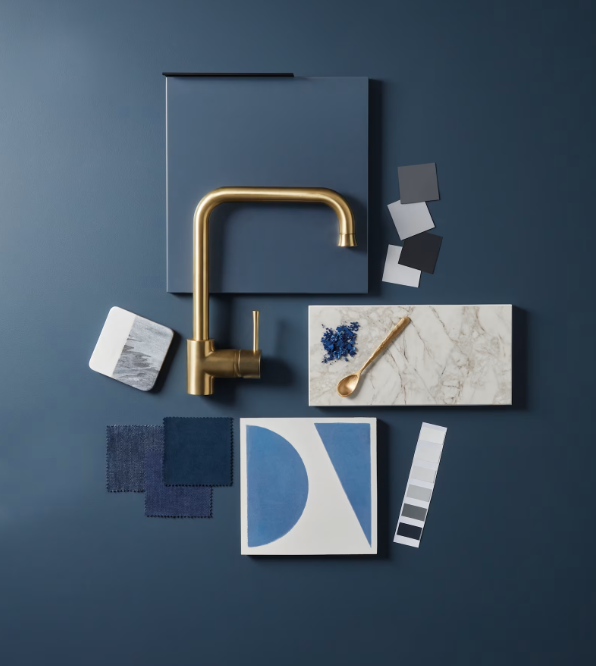
Pro Tip: Test paint swatches in natural and artificial light before finalizing.
Step 3: Select the Perfect Kitchen Countertops
Next up: countertops. They tie into the cabinets and are a major visual and functional component of your kitchen.
Popular Kitchen Countertop Materials:
- Quartz countertops – Durable, low-maintenance, and trending for 2025
- Granite countertops – Natural stone with unique patterns
- Marble countertops – Luxurious, but requires sealing
- Quartzite countertops – A high-end natural stone alternative to marble
Trending Quartz Colors:
- Cambria Brittanicca
- Silestone Calacatta Gold
- MSI Carrara Lumos
- Viatera Minuet
Use a sample chip or swatch in your mood board to see how your countertop interacts with your cabinets and backsplash.
Step 4: Choose Your Kitchen Flooring
Top Kitchen Flooring Options:
- Luxury vinyl plank (LVP) – Waterproof, durable, and wood-look
- Hardwood flooring – Warm and timeless (check out oak, maple, or hickory)
- Tile flooring – Porcelain or ceramic for a classic look
- Engineered hardwood – Combines beauty and durability
Pro Tip: If you have an open concept floor plan, consider how the kitchen flooring transitions into other rooms.
Flooring Trends:
- Wide plank wood flooring
- White oak floors
- Patterned encaustic tile
- Gray-toned vinyl plank
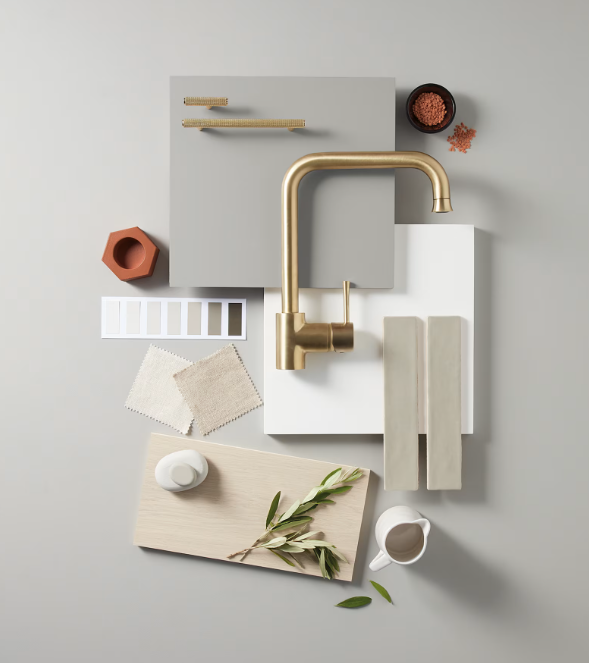
Include a sample of your chosen floor in your mood board to see how it pairs with your cabinets and counters.
Step 5: Add a Statement Tile Backsplash
A kitchen backsplash is where you can inject personality and texture into your space. This is your chance to have fun with pattern, shine, and color.
Backsplash Tile Styles:
- Classic subway tile – White, beveled, or stacked
- Zellige tile – Handmade, imperfect, and trending
- Herringbone pattern – A twist on traditional layouts
- Marble mosaic tile – Elegant and timeless
- Textured ceramic tile – Adds depth without overwhelming
Tile Color Tips:
- Use white or neutral tile if your counters are bold
- Add contrast with dark grout for modern flair
- Carry your countertop slab up the wall for a seamless backsplash
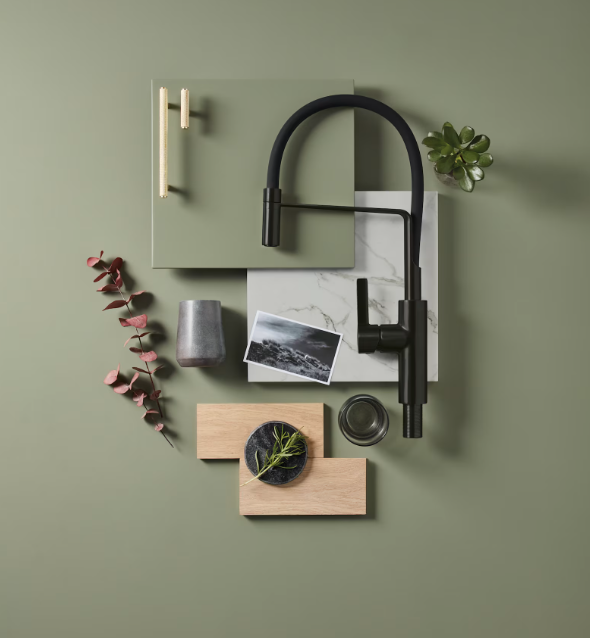
Place a tile sample or image on your mood board to test harmony with the rest of your materials.

Step 6: Don’t Forget the Kitchen Hardware
Hardware might be small, but it makes a huge visual impact—like jewelry for your kitchen.
Popular Kitchen Hardware Finishes:
- Brushed gold hardware – Warm and luxurious
- Matte black pulls – Modern and bold
- Polished nickel knobs – Classic and versatile
- Oil-rubbed bronze – Traditional and rustic
Hardware Styles:
- Bar pulls – Clean and contemporary
- Bin pulls – Great for farmhouse kitchens
- Knobs – A classic option for doors
- Mixed metals – Combine finishes for visual interest
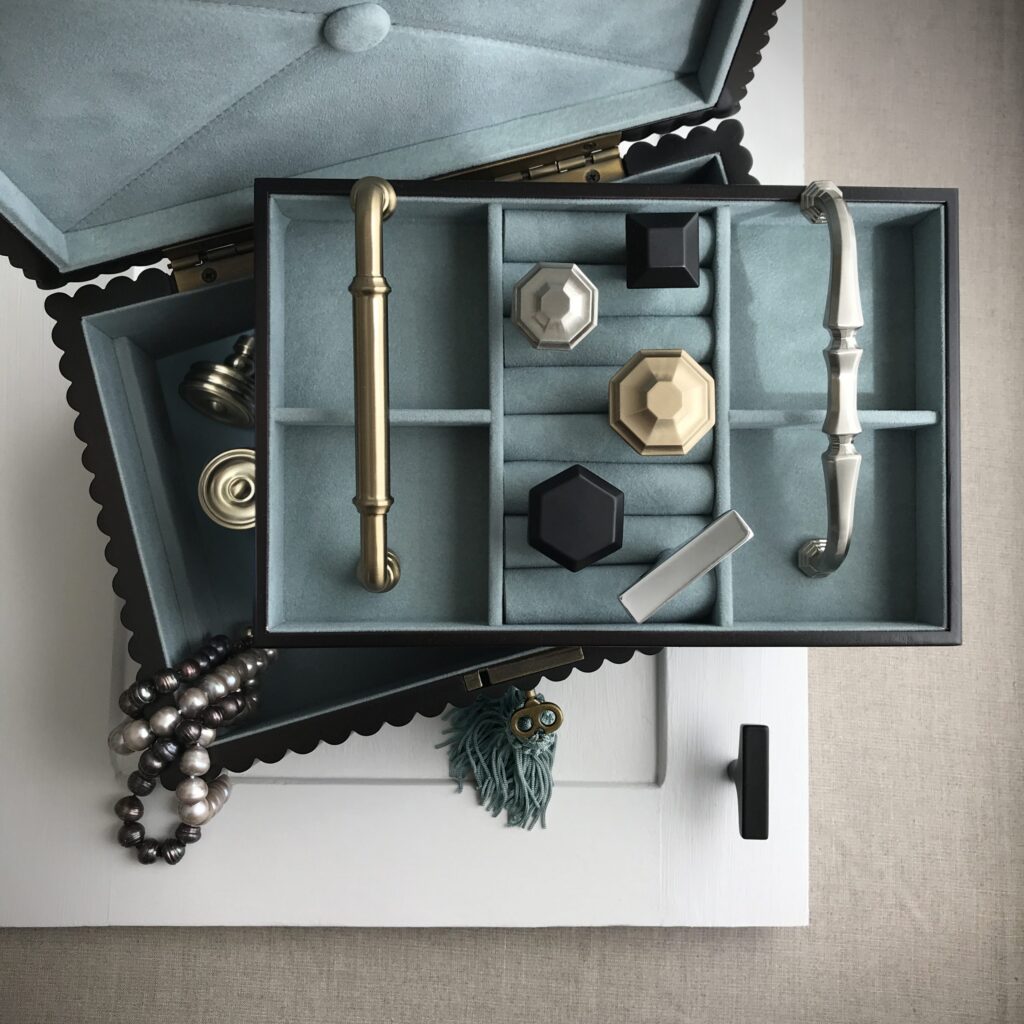
Add images or real samples of knobs and pulls to your mood board to complete the look.
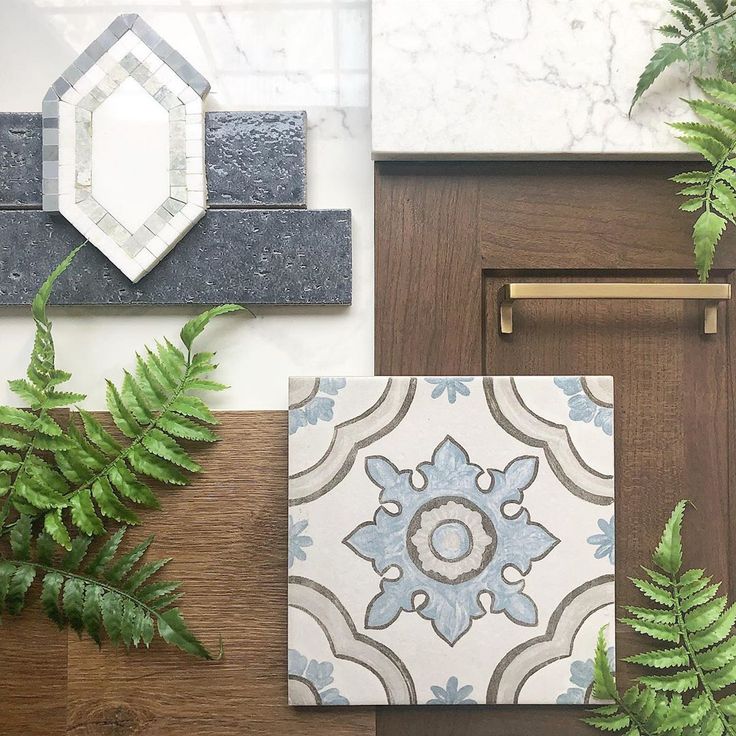
Step 7: Pull It All Together in a Kitchen Mood Board
Now that you’ve selected all your materials, it’s time to create your kitchen mood board.
How to Make a Mood Board:
- Physical board: Use a cork board or foam board. Pin cabinet samples, countertop swatches, tile pieces, flooring samples, and printed product images.
- Digital mood board: Use Canva, Pinterest, or Milanote. Upload your swatches and arrange them in a grid.
What to Include:
- Cabinet door sample
- Countertop swatch
- Flooring sample
- Tile image or sample
- Hardware photo
- Paint chips for wall colors
- Lighting fixture inspiration
- A photo of the overall design style
Bonus Tips for Kitchen Mood Boards
Use natural lighting when comparing samples.
Don’t skip the paint swatches – choose 2–3 wall colors to see what works best.
Bring samples home – Lighting in showrooms is very different from your kitchen.
Save links and SKUs – Keep track of products in a spreadsheet or project management tool.
Plan for longevity – Choose materials you’ll still love in 10 years.
Why a Kitchen Mood Board Matters
Creating a kitchen mood board isn’t just about aesthetics—it’s about making informed decisions that will keep your renovation on track. With clear visuals and carefully selected materials, you’ll save time, avoid costly mistakes, and achieve a finished kitchen that truly reflects your style.
Whether you’re a homeowner tackling a DIY remodel or working with a kitchen designer, your mood board is your most powerful tool.
FAQs About Kitchen Mood Boards
What is the best app for making a digital kitchen mood board?
Canva is one of the best free tools for mood board creation. You can also use Pinterest or Milanote.
Do interior designers use mood boards?
Absolutely. Kitchen designers and remodelers use mood boards to communicate ideas and ensure all finishes align with the client’s vision.
How do I make sure all materials coordinate?
Place physical samples next to each other in natural light. Use neutral undertones and stick with a consistent warm or cool palette.
Ready to Design Your Kitchen?
Looking for help creating your dream kitchen? At CSL Interior, we offer expert kitchen design services in the Chicagoland suburbs, guiding you through cabinetry, countertops, flooring, and more.