Table of Contents
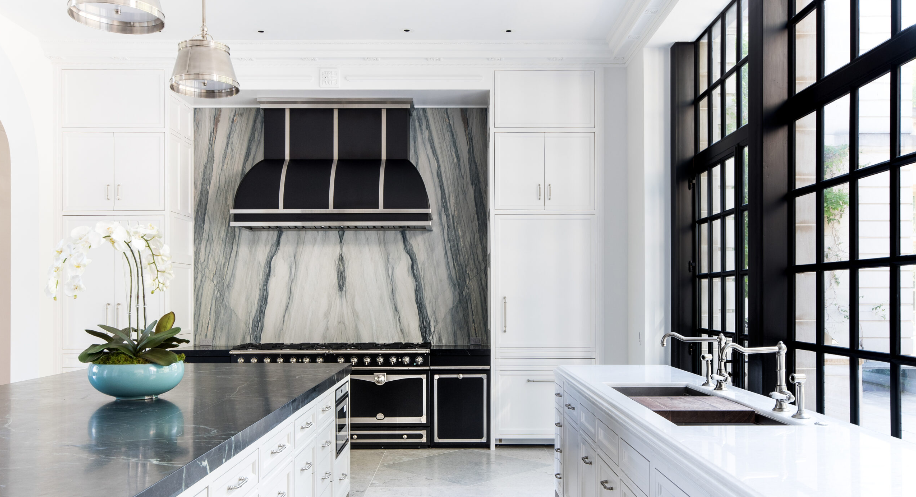
When planning a home remodel, few materials can rival the timeless beauty, durability, and value of natural stone — whether as kitchen countertops, flooring, accent walls, or outdoor patios. But in recent years, homeowners and remodeling companies have begun facing a new challenge: import tariffs and shifting trade policies that are driving up the cost and complexity of sourcing stone.
If you’re thinking about a remodel in 2025 or beyond, being aware of how tariffs on building materials might affect your project is crucial. In this blog, we’ll break down what’s happening with stone pricing, how tariffs ripple through your budget and schedule, and what you can do to protect your investment.
Why Natural Stone Still Matters in Remodeling
Before diving into tariff mechanics, let’s remind ourselves why natural stone remains a favorite in high-end renovations:
- Aesthetic appeal: No two slabs of stone are exactly alike, which gives kitchens, bathrooms, and accent walls a unique, luxurious look.
- Durability: With proper sealing and care, stone like granite, marble, or quartzite can last decades.
- Value-add: Many homeowners see strong return on investment (ROI) when upgrading to stone.
- Sustainability & perception: Natural stone is often perceived as an eco-luxury choice.
- Versatility: Stone can be used indoors or outdoors, in wet areas or dry, for countertops, flooring, cladding, etc.
According to market research, the U.S. natural stone market was estimated at about USD 2.20 billion in 2024 and is projected to grow at a compound annual rate near 4 % over the coming years. That signals that demand for stone in remodeling is holding strong.
What Looks Good in Stone — Common Types & Applications
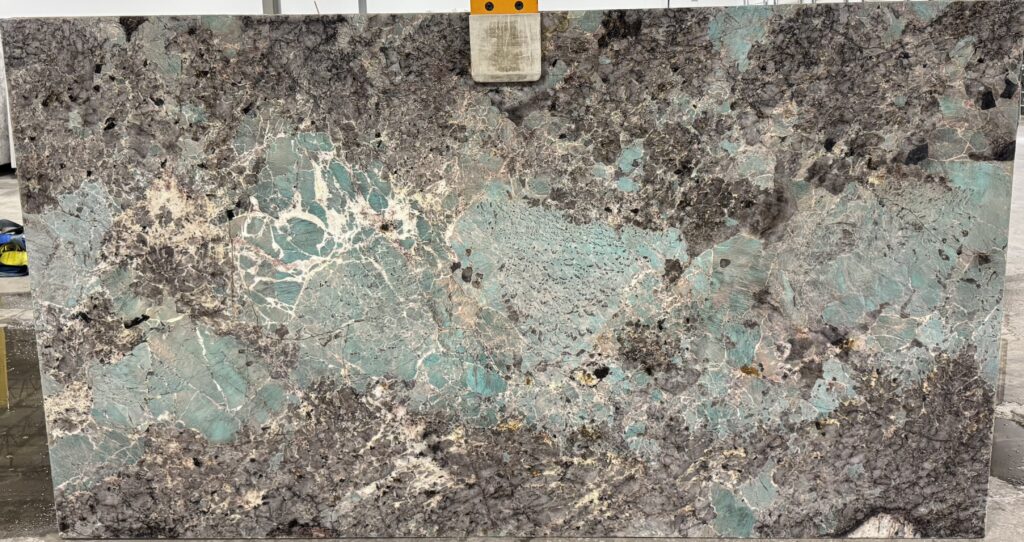
When people think of “stone” they often picture marble or granite, but there’s more variety:
| Stone Type | Typical Uses | Pros | Cons / Considerations |
|---|---|---|---|
| Granite | Kitchen countertops, floors, outdoor kitchens | Very hard, heat resistant | Can be heavy; veining can complicate cuts |
| Marble | Bathrooms, accent walls, fireplace surrounds | Elegant, classic look | Softer, more porous, needs sealing |
| Travertine / Limestone | Flooring, patios, wall cladding | Warm tones, rustic feel | More absorbent; patching issues |
| Quartzite | Countertops, floors | Harder than marble, often more durable | More limited color palettes |
Every project demands a balance between design intent, durability, and availability — all factors that can now be influenced by tariffs and trade policy.
Tariffs & Trade Policy: What’s Changing
Tariffs are government-imposed taxes on imported goods. In remodeling, this means that the cost and availability of natural stone imported from overseas can fluctuate depending on current trade agreements and duties.
Over the past several years, the U.S. government has implemented or adjusted tariffs on stone from countries such as India, Brazil, and China — regions that supply a large portion of the granite, marble, and quartz slabs used in American homes.
The goal of these tariffs is to protect domestic industries, but the effect on remodelers and homeowners can be significant. Stone distributors face higher import costs, which can lead to increased pricing, longer lead times, or limited availability on certain stone types.
In some cases, tariffs have also expanded beyond raw slabs to include engineered quartz and processed stone, adding new layers of complexity for fabricators and designers.
How Tariffs Affect Remodeling Projects
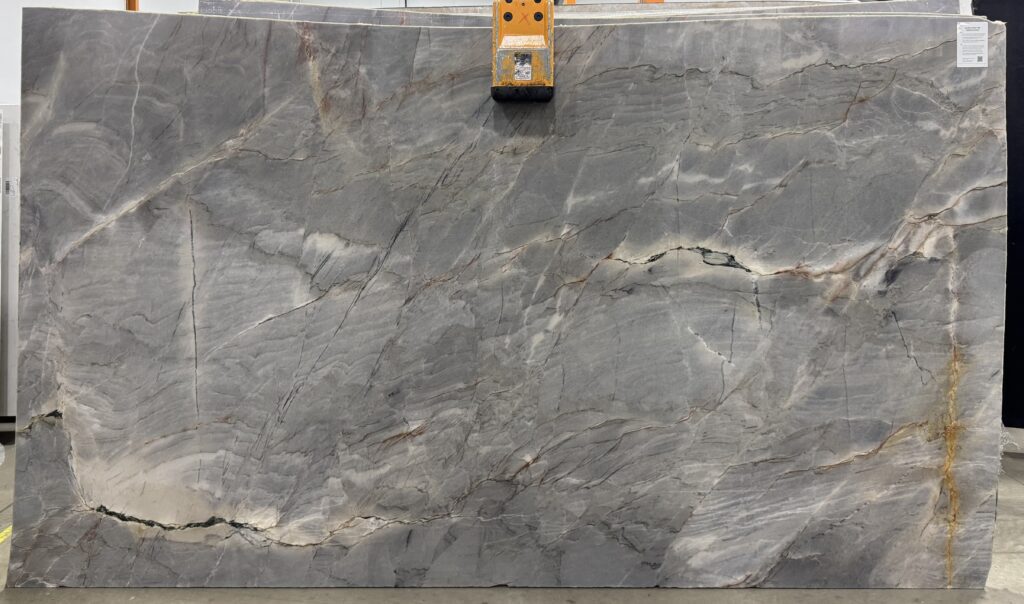
You might assume tariffs are an issue for international traders — but their ripple effects often land directly in the laps of homeowners and remodelers. Here’s how:
Material Availability
Some unique stones may suddenly become scarce due to import restrictions or longer shipping times. That means your favorite marble or exotic granite could have an unpredictable lead time — or be unavailable altogether.
Unpredictable Bidding
For contractors, quoting stone work becomes more complex when tariff adjustments can happen at any point before materials arrive. This uncertainty can lead to broader cost ranges in initial bids to accommodate potential fluctuations.
Domino Effect on Other Materials
Because stone is often installed near other imported products — such as plumbing fixtures, cabinetry hardware, or tile — a disruption in one category can affect the timing or pricing of others.
Strategies to Stay head of Tariff Challenges
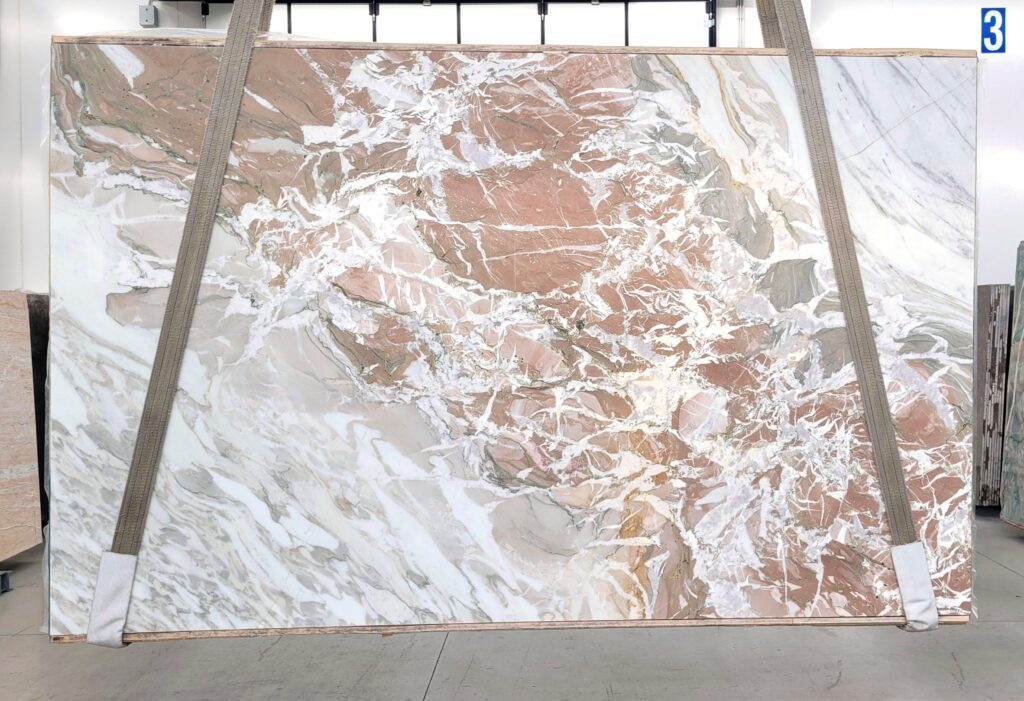
While tariffs and trade shifts are beyond anyone’s control, homeowners and remodelers can take smart steps to minimize their impact. Here are a few strategies to protect your project:
Explore Domestic Stone Options
Many U.S. quarries produce high-quality stone that rivals imported materials. While domestic options may differ in color or veining, they offer stability in pricing, shorter lead times, and no exposure to tariff changes.
Work With a Knowledgeable Supplier
Experienced suppliers track global tariff updates and can suggest alternative materials that offer similar aesthetics with less risk of price volatility.
Stay Flexible With Design Choices
If your design depends heavily on one imported stone, consider identifying a few “backup” materials during the selection phase. That way, if the preferred option becomes delayed or restricted, your project won’t stall.
Long-Term Outlook for Remodeling With Natural Stone
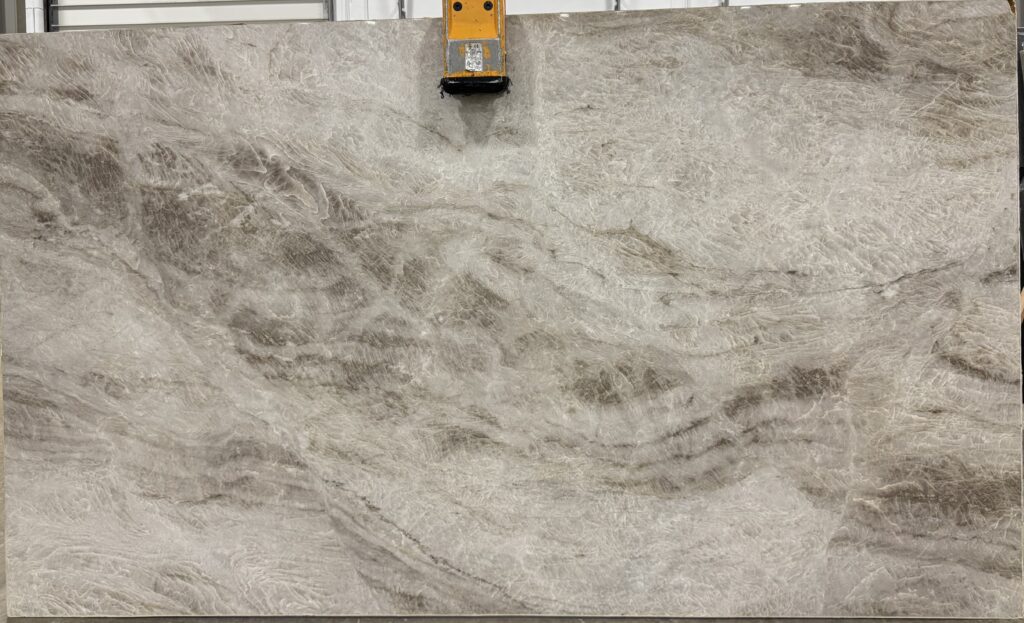
Tariffs are cyclical — they can rise, fall, or shift depending on political and economic factors. But even as policies change, one thing remains certain: natural stone will continue to hold a place of prestige in remodeling.
Industry experts anticipate that remodeling companies will increasingly focus on:
- Diversifying supply chains to include both domestic and global partners.
- Educating homeowners about where materials come from and how sourcing affects timelines.
- Balancing aesthetics and practicality — helping clients choose beautiful materials that won’t be vulnerable to unpredictable tariffs.
- Marketing “Made in the USA” materials as a premium, stable alternative to imported stone.
Ultimately, this trend could lead to a healthier balance between imported and domestic stone use — giving homeowners more control over their remodeling investments.
Questions to Ask Before Selecting Stone
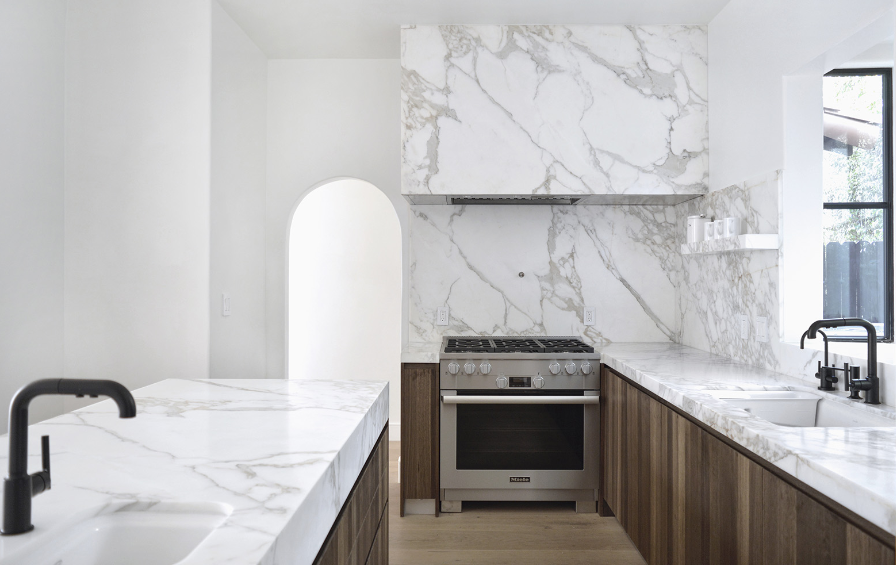
When you meet with your designer, supplier, or remodeling contractor, use these questions to make sure you fully understand how tariffs or trade conditions might influence your stone selection:
- Is the stone domestic or imported, and from which country?
- How current trade policies could influence delivery times?
- Does your supplier stock inventory locally or import on demand?
- If delays occur, what alternative stone options are available?
- How do you handle material cost changes caused by trade updates?
- Can we reserve slabs in advance to lock in availability?
- What sustainable or locally sourced alternatives would you recommend?
- Are there maintenance differences between imported and domestic options?
- How long is the quoted price or timeline guaranteed for?
- What are the warranty terms for stone supplied under current market conditions?
We are here to help
Having this conversation early ensures everyone understands expectations and responsibilities — minimizing surprises later.
Remodeling your home should be an exciting experience, not one filled with uncertainty about material costs or delays. By staying informed about how tariffs and trade policies affect natural stone, you can plan your project with confidence.
Partnering with a contractor who tracks industry shifts, offers both domestic and imported stone options, and communicates transparently about timelines will keep your remodel on track.
At CSL Interior, we work closely with trusted suppliers and fabricators to help clients navigate these challenges — offering material selections that balance beauty, durability, and reliability, no matter how the market changes.
If you’re planning a remodel and want guidance on sourcing stone that fits your design, budget, and timeline, contact us today to schedule a consultation. Let’s build something beautiful together!