Table of Contents
If you’ve been scrolling through Pinterest, watching HGTV, or following interior design blogs lately, you’ve probably noticed one material popping up everywhere: Taj Mahal countertops. This stunning quartzite, with its soft beige background and delicate veining, has become one of the hottest choices for kitchens and bathrooms in the past few years.
But what exactly makes Taj Mahal quartzite so special? Is it just a passing trend, or is it a material that truly delivers in durability, beauty, and long-term value? In this blog, we’ll dive deep into everything you need to know about Taj Mahal countertops—covering their origin, benefits, maintenance, design versatility, and even some pain points (with solutions).
Whether you’re a homeowner planning a remodel, a designer helping clients, or just someone who loves following the latest in design, this guide will give you the full picture of why Taj Mahal is worth considering.
What Is Taj Mahal Quartzite?
Taj Mahal is a natural stone that falls under the quartzite category. It is quarried primarily in Brazil, which is one of the leading exporters of high-quality quartzite.
Key features of Taj Mahal quartzite:
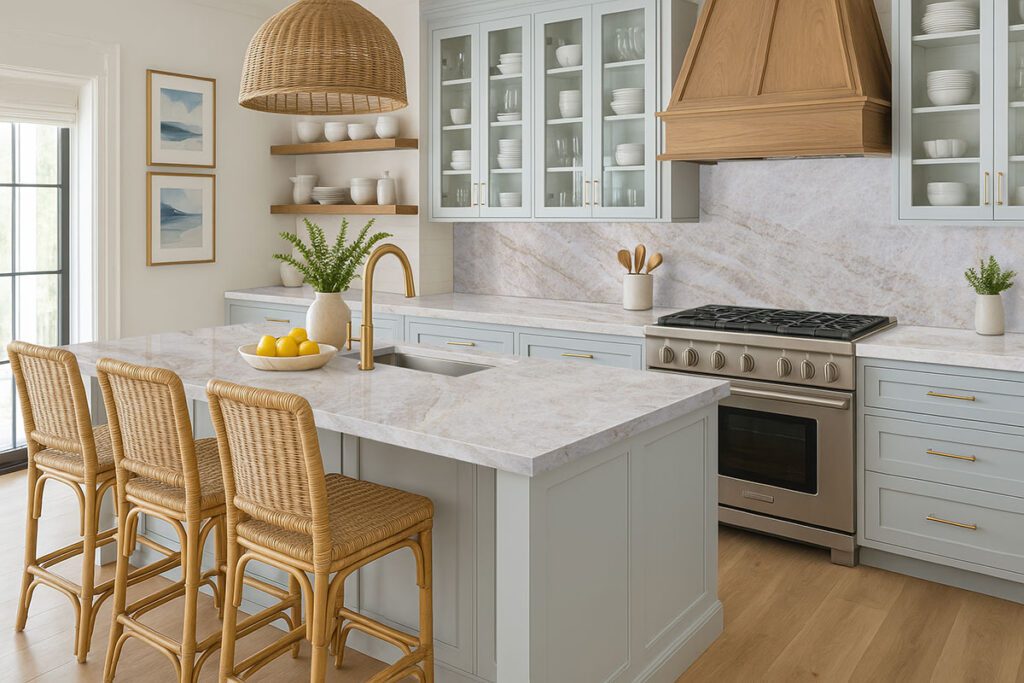
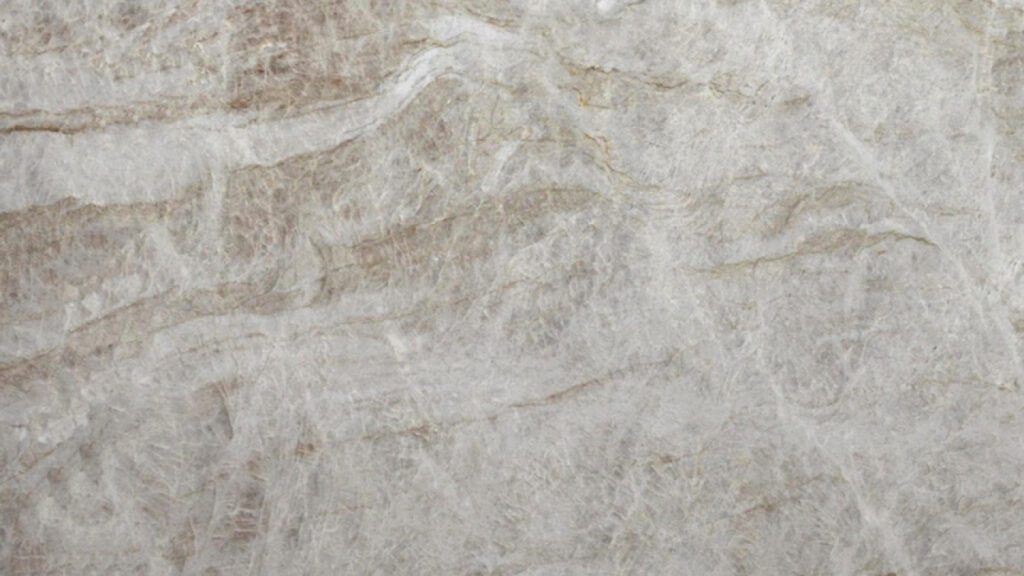
- Color tone: Soft beige to creamy white with subtle, linear veining that can resemble marble.
- Durability: Harder than granite, making it resistant to scratches and daily wear.
- Uniqueness: Each slab is one-of-a-kind, with natural variations in veining and tone.
- Look: Often compared to marble because of its elegance but without the same maintenance concerns.
In short, Taj Mahal offers the timeless, luxurious appeal of marble with the toughness and resilience of quartzite—a dream combination for many homeowners.
Why Is Everyone Talking About Taj Mahal Countertops?
There are dozens of countertop options out there—granite, quartz, marble, soapstone, butcher block—so why is Taj Mahal creating so much buzz?
- It’s a neutral that isn’t boring.
The creamy beige tone works with both warm and cool palettes. It’s not stark white, yet it’s not too dark. It adapts beautifully to multiple design styles—modern, farmhouse, transitional, or traditional. - It brings a luxury look without the worry.
Marble lovers are often disappointed by the high maintenance that comes with staining, etching, and scratching. Taj Mahal mimics marble’s elegance but is far more durable. - It’s social media-friendly.
Designers and influencers rave about it on Instagram and TikTok because it photographs beautifully. Those soft tones with natural veining look just as stunning in real life as they do in your feed. - It pairs well with everything.
Whether you’re going with navy cabinetry, deep green, classic white, or warm wood tones, Taj Mahal acts like a chameleon, tying the whole design together.
Pain Points Homeowners Face
If you’ve ever shopped for countertops, you know it’s not as easy as walking into a store and pointing to the prettiest slab. The process is full of stress and second-guessing. Here are some of the most common struggles I hear from homeowners—and how Taj Mahal can make things easier.
“I love the look of marble, but I can’t deal with the constant worry.”
This one comes up almost every week with my clients. Marble is gorgeous, but the etching, staining, and scratching keep people up at night. Taj Mahal gives you that same timeless elegance but with the durability to actually enjoy cooking, entertaining, and living in your kitchen without babying the counters.
“I’m terrified of stains—especially with kids.”
Coffee spills, red wine, spaghetti sauce… they all feel like a ticking time bomb if you have light countertops. The good news? Taj Mahal quartzite is much less porous than marble. A simple seal once a year keeps most stains at bay, so you can relax when life happens (because it will).
“Everything I see looks too busy—or too plain.”
Granite can feel overwhelming with its speckles, while some quartz slabs feel almost too perfect and flat. Taj Mahal strikes a balance. Its gentle veining adds movement and personality without shouting for attention, which makes it easier to pair with cabinetry, flooring, and backsplashes.
“What if I spend all this money and it doesn’t match?”
This is the heart-sinking fear of so many homeowners: loving a slab in the showroom but hating it once it’s in the kitchen. Taj Mahal’s neutral undertones make it one of the safest bets you can choose. Whether you go for white oak cabinetry, deep navy, or classic white, it has this uncanny ability to blend beautifully without clashing.
Design Ideas: How to Style Taj Mahal Countertops
1. White Oak Cabinetry with Gold Hardware
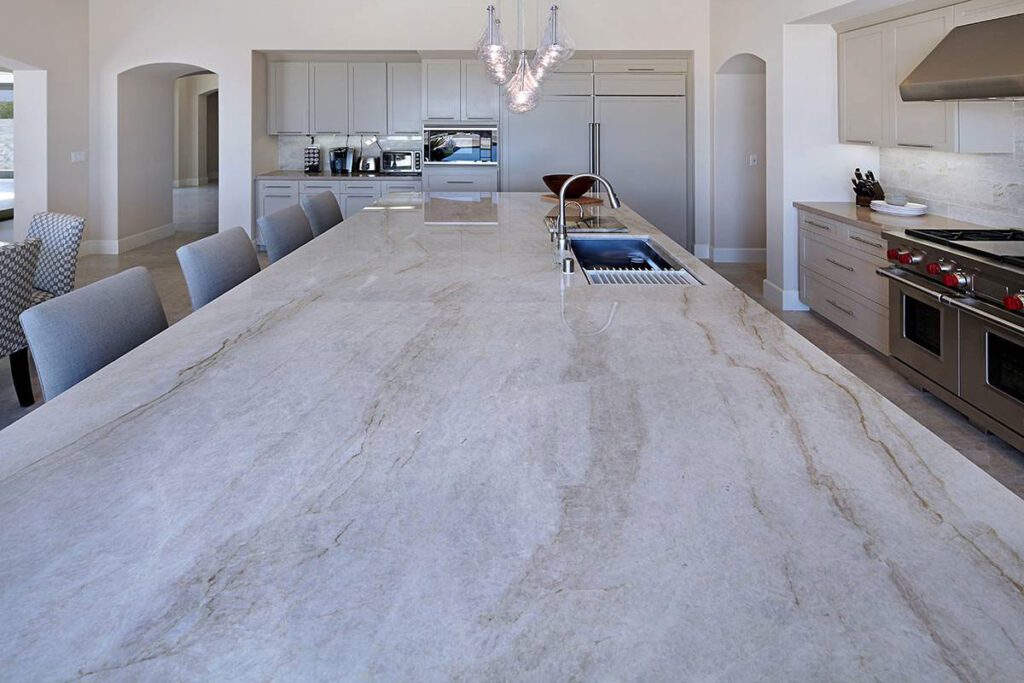
This pairing has become a design darling. The warmth of natural white oak brings texture and depth, while Taj Mahal’s creamy tones tie it all together seamlessly. Gold hardware adds the perfect touch of glam, elevating the overall look from rustic to sophisticated.
2. Classic White Kitchens
Pair Taj Mahal with crisp white shaker cabinets and brushed gold or champagne bronze pulls. This combination feels fresh, timeless, and luxurious, especially when paired with a light backsplash.
3. Earthy & Modern
Mix Taj Mahal with white oak lowers and painted white uppers for a two-toned effect. Add matte gold hardware and warm wood flooring to create a balanced, earthy aesthetic that feels both natural and modern.
4. Elegant Contrast
For a dramatic approach, combine Taj Mahal with deep green or navy cabinetry. Pairing this with brushed gold hardware gives the kitchen a designer-level finish, creating bold contrast while still maintaining warmth.
Taj Mahal vs. Other Popular Countertops
Taj Mahal vs. Marble:
- Marble = high maintenance, etches easily, softer stone.
- Taj Mahal = marble look, but tougher and more resistant to scratches/etching.
Taj Mahal vs. Granite:
- Granite is more speckled and patterned, while Taj Mahal has soft, linear veining.
- Both are durable, but Taj Mahal offers a more refined, modern look.
Taj Mahal vs. Quartz (engineered stone):
- Quartz is non-porous and extremely low-maintenance but lacks the individuality of natural stone.
- Taj Mahal requires sealing but offers natural beauty and variation that quartz can’t replicate.
Maintenance & Care Tips
One reason Taj Mahal is gaining popularity is that maintenance is straightforward.
- Seal it properly: Have your fabricators apply a professional sealer.
- Clean with gentle products: Use a pH-balanced cleaner or mild soap and water. Avoid harsh chemicals.
- Use trivets & cutting boards: Quartzite is heat resistant but not heat-proof. Always use a trivet under hot pans.
- Wipe spills quickly: Especially wine, citrus, or oils.
When cared for properly, Taj Mahal countertops can last a lifetime.
Final Thoughts
Taj Mahal countertops are more than just a trend—they’re a material that blends luxury with practicality. With their soft, elegant beauty and impressive durability, it’s no wonder designers and homeowners alike can’t stop talking about them.
If you’re planning a kitchen or bathroom remodel, Taj Mahal should absolutely be on your short list. It gives you that high-end designer look while solving many of the common countertop pain points.
When it comes to value, style, and performance, Taj Mahal quartzite truly lives up to its royal name.